Iran used tailored Quran recitations for each visiting delegation at Khamenei’s funeral to deliver symbolic political messages.

Reported Quran Verse Selections at Khamenei Funeral Raise Diplomatic Debate

Isla Montclair

Symbolic Diplomacy in Tehran Funeral Setting

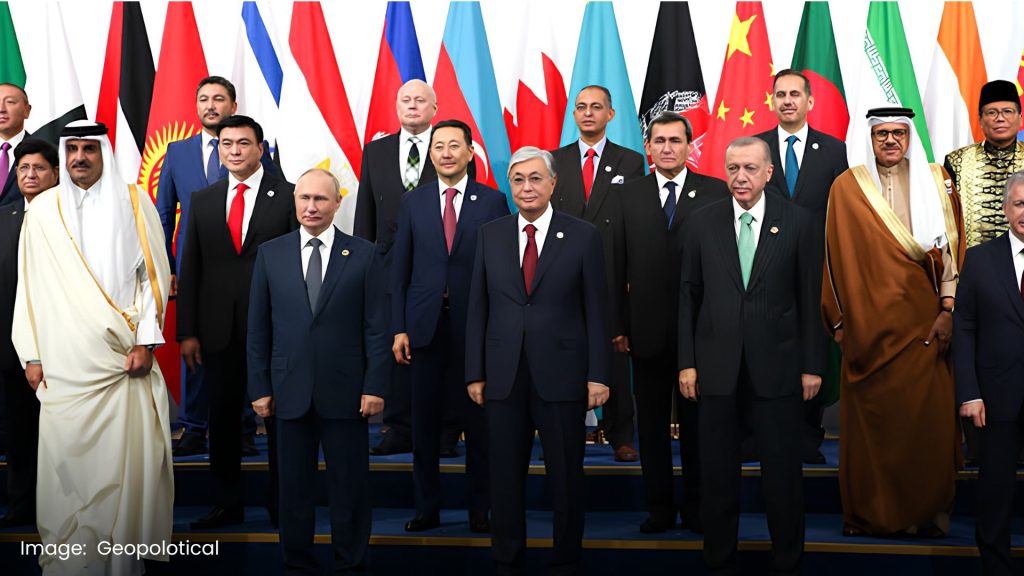
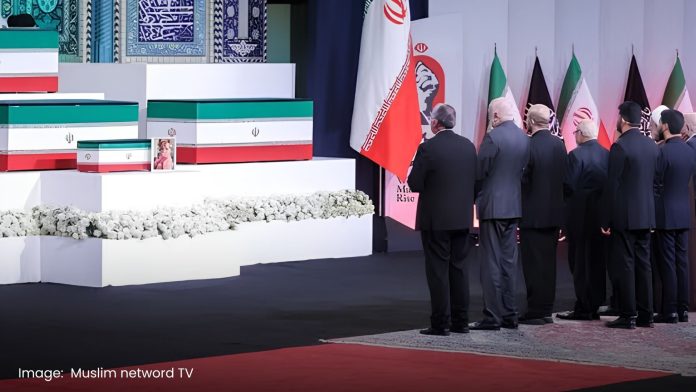
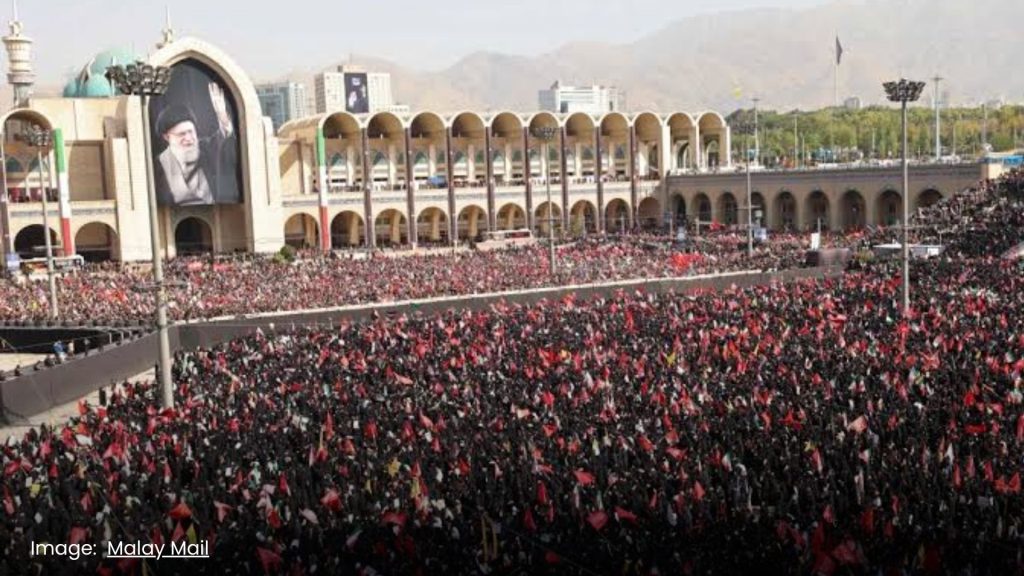
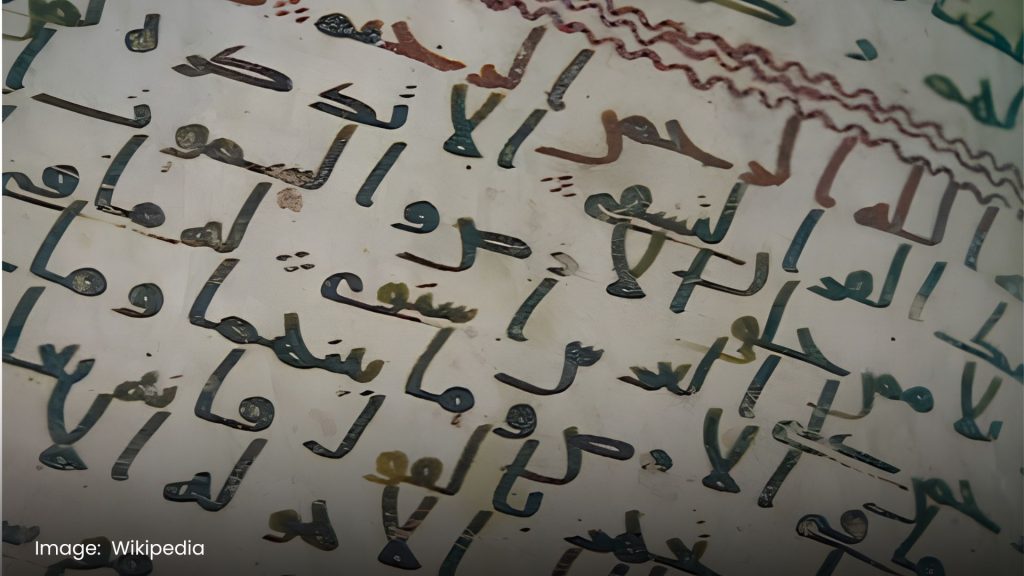
Regional media reports claim that different Quranic verses were recited for visiting foreign delegations at the funeral of Iran’s late Supreme Leader Ayatollah Ali Khamenei. The selections are being widely interpreted as a form of symbolic diplomatic communication rather than standard religious recitation.

Analysts suggest the event reflects how religious language can be used as a tool of political messaging in Middle Eastern statecraft.

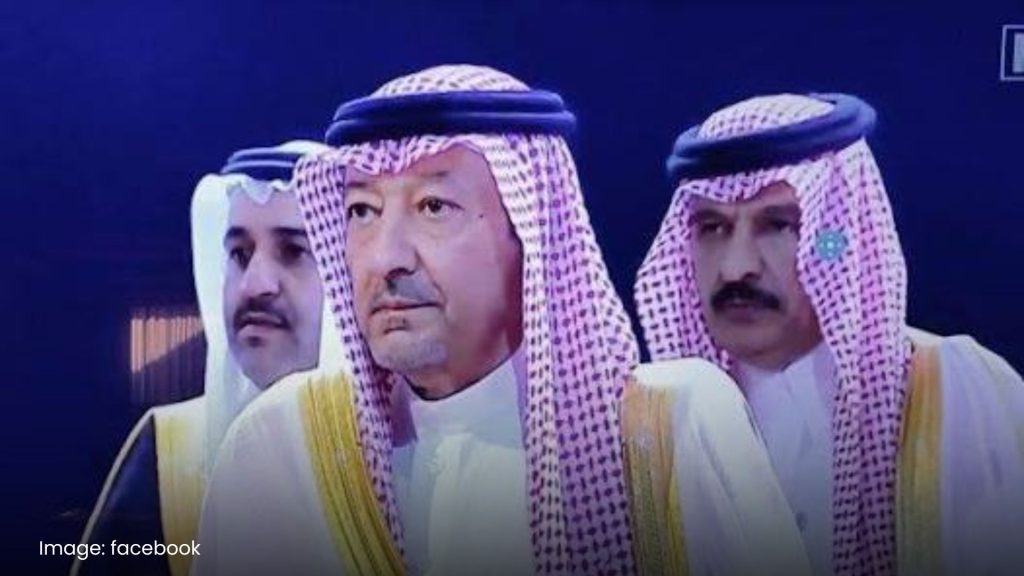
Saudi Arabia and Surah Al Imran 3:13

For the Saudi delegation, Surah Al Imran verse 3:13 was reportedly recited. The translation describes two opposing armies meeting in battle, with divine support given to the believers despite being outnumbered.

Commentators say this was interpreted in some media reports as a symbolic reference to regional rivalry and historical geopolitical tensions between Iran and Saudi Arabia.

Turkey and Surah An Nisa 4:95

For Turkey, Surah An Nisa 4:95 was reportedly selected. The verse contrasts those who actively strive with those who remain inactive despite having the ability to act.

Some analysts interpreted this as a subtle critique of diplomatic neutrality and Turkey’s balancing role in regional conflicts.

Pakistan and Surah Al Isra 17:80

For Pakistan’s delegation, Surah Al Isra 17:80 was reportedly recited. The verse requests truthful entry and exit and divine support.

Observers describe this as a message associated with legitimacy, cooperation, and structured diplomatic engagement.
Resistance Axis and Surah Al Fath

For groups such as the Taliban and Palestinian Islamic factions, Surah Al Fath 48:1 was reportedly used, referring to a clear conquest granted by God. Yemen’s Houthis were associated with Surah Al Fath 48:29, which emphasizes unity, discipline, and strength among believers.

Hezbollah was linked by reports to verses from Surah Al Imran that emphasize endurance, resilience, and alternating fortunes in conflict.

Analysts say these selections are being read as ideological reinforcement of the so called resistance narrative.

Significance of the Reported Messaging Strategy

Experts quoted in regional media suggest the practice, described by some as funeral diplomacy, represents a blending of religious symbolism with geopolitical signaling. Instead of direct statements, verses are interpreted as indirect communication toward allies and rivals.

This approach is seen as part of a broader trend in which cultural and religious references are used in state messaging.
Regional and Media Reactions

Reactions reported across Arab and international media are mixed. Some commentators criticized the practice as an inappropriate use of sacred text in political settings.

Others argue it reflects a sophisticated form of soft power where symbolism is used to communicate layered diplomatic positions without formal statements.

Sources:

Middle East Eye
https://www.middleeasteye.net

Iran International
https://www.iranintl.com

Muslim Network TV
https://mwn.net

Reported Quran Verse Selections at Khamenei Funeral Raise Diplomatic Debate

Isla Montclair

Symbolic Diplomacy in Tehran Funeral Setting

Regional media reports claim that different Quranic verses were recited for visiting foreign delegations at the funeral of Iran’s late Supreme Leader Ayatollah Ali Khamenei. The selections are being widely interpreted as a form of symbolic diplomatic communication rather than standard religious recitation.

Analysts suggest the event reflects how religious language can be used as a tool of political messaging in Middle Eastern statecraft.

Saudi Arabia and Surah Al Imran 3:13

For the Saudi delegation, Surah Al Imran verse 3:13 was reportedly recited. The translation describes two opposing armies meeting in battle, with divine support given to the believers despite being outnumbered.

Commentators say this was interpreted in some media reports as a symbolic reference to regional rivalry and historical geopolitical tensions between Iran and Saudi Arabia.

Turkey and Surah An Nisa 4:95

For Turkey, Surah An Nisa 4:95 was reportedly selected. The verse contrasts those who actively strive with those who remain inactive despite having the ability to act.

Some analysts interpreted this as a subtle critique of diplomatic neutrality and Turkey’s balancing role in regional conflicts.

Pakistan and Surah Al Isra 17:80

For Pakistan’s delegation, Surah Al Isra 17:80 was reportedly recited. The verse requests truthful entry and exit and divine support.

Observers describe this as a message associated with legitimacy, cooperation, and structured diplomatic engagement.

Resistance Axis and Surah Al Fath

For groups such as the Taliban and Palestinian Islamic factions, Surah Al Fath 48:1 was reportedly used, referring to a clear conquest granted by God. Yemen’s Houthis were associated with Surah Al Fath 48:29, which emphasizes unity, discipline, and strength among believers.

Hezbollah was linked by reports to verses from Surah Al Imran that emphasize endurance, resilience, and alternating fortunes in conflict.

Analysts say these selections are being read as ideological reinforcement of the so called resistance narrative.

Significance of the Reported Messaging Strategy

Experts quoted in regional media suggest the practice, described by some as funeral diplomacy, represents a blending of religious symbolism with geopolitical signaling. Instead of direct statements, verses are interpreted as indirect communication toward allies and rivals.

This approach is seen as part of a broader trend in which cultural and religious references are used in state messaging.
Regional and Media Reactions

Reactions reported across Arab and international media are mixed. Some commentators criticized the practice as an inappropriate use of sacred text in political settings.

Others argue it reflects a sophisticated form of soft power where symbolism is used to communicate layered diplomatic positions without formal statements.

Sources:

Middle East Eye
https://www.middleeasteye.net

Iran International
https://www.iranintl.com

Muslim Network TV
https://mwn.net
spot_img

Explore more

spot_img
Global Affairs

US Senators Push Bill to Punish India and China for Buying...

Behind the Cockroach Protests: A Broken Exam System That’s Cost Students...

The 2026 World Cup’s Real Price Tag: Billions Lost Before a...

Two US Service Members Killed in Jordan as Iran Suspends Its Ceasefire...

Mamdani Says He’s Exploring How to Arrest Netanyahu During His September...

Rubio Calls the Left a “Unique Evil” at Global Terrorism Summit,...

Trump Demands ABC, NBC Lose Licenses After Networks Skip Live Airing...