The Next Super El Niño? A Climate Disaster From History Could Repeat

Super El Niño 2026: Could The World Face Another Climate Disaster Like 1877?

Isla Montclair

1877 Super El Niño Created One Of History’s Worst Climate Disasters

More than 140 years ago, a powerful climate event changed the course of history.

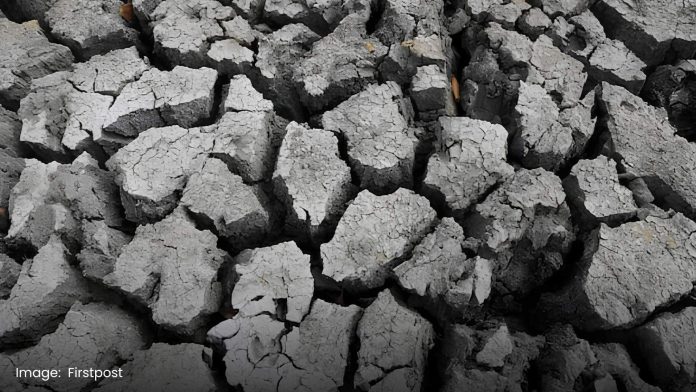
The 1877 to 1878 Super El Niño is considered one of the strongest El Niño events ever recorded. The unusual warming of the Pacific Ocean disrupted weather patterns across the world, causing devastating droughts, crop failures and food shortages.

The disaster contributed to some of the worst famines of the 19th century, including the Great Famine in India, the Northern Chinese Famine and severe drought in Brazil.

Researchers estimate that around 50 million people died globally during this period due to the combined effects of climate shocks, food shortages and the political and economic conditions of the time. 

The event became a warning of how changes in the Pacific Ocean can trigger consequences thousands of kilometres away.

What Is El Niño And Why Does It Matter?
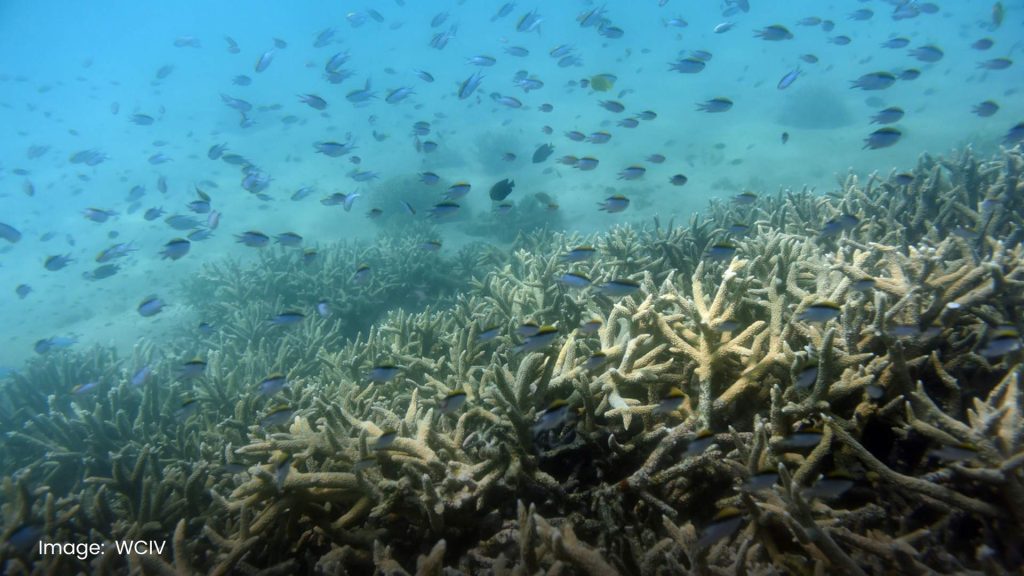
El Niño is a natural climate phenomenon where surface waters in the tropical Pacific Ocean become warmer than normal.

Normally, trade winds push warm water from South America toward Asia, while colder water rises from deeper parts of the ocean. During El Niño, these winds weaken, allowing warm water to spread across the Pacific and disrupting global weather patterns. 

Although El Niño begins in the Pacific Ocean, its effects can spread worldwide.

It can influence rainfall, temperatures, agriculture, storms and food production across different continents.

2026 El Niño Raises Concerns Over A Strong Event

Scientists are now closely watching another El Niño developing in 2026.

Forecasts suggest there is around a 61% chance of El Niño emerging between May and July 2026 and continuing through the end of the year. Some climate models suggest the possibility of a very strong event. 

Experts warn that predicting the exact strength of El Niño remains difficult, especially because climate patterns are becoming more complicated due to rising global temperatures.
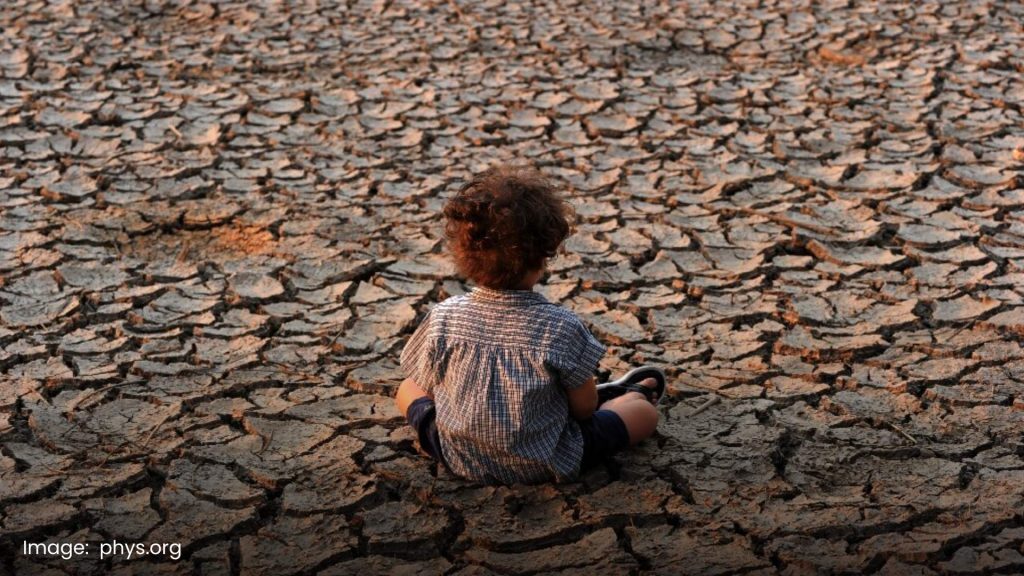
However, the possibility of a strong El Niño has raised concerns because the world is entering this event with already record high temperatures.

Climate Change Could Make El Niño More Dangerous

El Niño itself is a natural cycle, but scientists say climate change may increase the intensity and impact of extreme events.

The world is already experiencing more frequent heatwaves, droughts and floods. A strong El Niño could add extra pressure to regions already struggling with climate stress. 

Scientists estimate that extreme El Niño events have become more frequent since the 1950s, and some climate projections suggest the number of intense events could increase further as global temperatures rise. 

South Asia Faces Monsoon And Drought Risks

One of the major concerns is South Asia, including India and Pakistan.

El Niño events are often linked with weaker monsoon rainfall in the region. Reduced rainfall can affect agriculture, water supplies and food production.

For countries heavily dependent on seasonal rainfall, a strong El Niño can create serious risks for farmers and communities already facing heat and water challenges. 

A failed monsoon does not only mean less rain. It can affect crop yields, food prices and rural economies.

Global Impacts Could Stretch From Droughts To Floods

The effects of a strong El Niño are not the same everywhere.

Australia and Indonesia typically face hotter and drier conditions, increasing wildfire and drought risks.

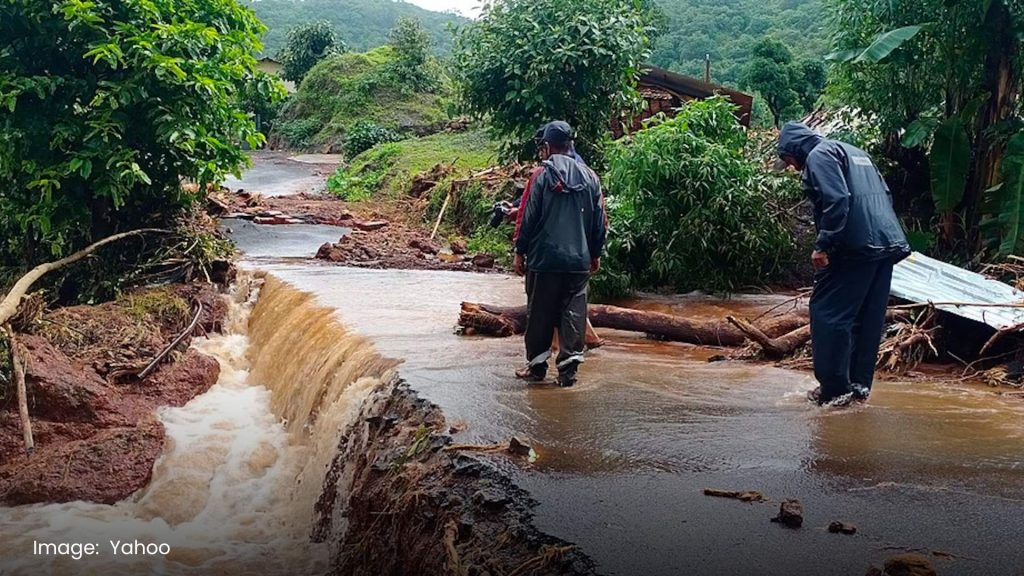
Parts of South America, including Peru and Ecuador, can experience heavier rainfall and flooding.

North America can see unusual weather patterns, including warmer conditions in parts of the north and increased flooding risks in some southern areas. 

This makes El Niño a global climate event rather than a regional one.
Why 2026 Is Being Watched Closely

The biggest difference between 1877 and today is the background climate.

The 1877 Super El Niño happened in a cooler world, while the possible 2026 event would occur on top of record global warming.

Scientists warn that this combination could intensify heat, drought and extreme weather.

A strong El Niño does not guarantee another disaster like 1877, because modern technology, food systems and emergency responses are different. But experts say the risks are higher because many regions are already dealing with climate pressure.

The question scientists are watching now is not whether El Niño will happen, but how strong it becomes and how much damage it could add to an already warming planet.

Sources:

Are we heading towards a Super El Niño in 2026?

Chatham House Climate Briefing Article

El Niño Explained: Climate Patterns and Global Impacts

NOAA Climate El Niño Overview

El Niño and Southern Oscillation impacts on global climate

World Meteorological Organization ENSO Information

Historical impacts of the 1877 to 1878 El Niño event
National Geographic El Niño History Coverage

Super El Niño 2026: Could The World Face Another Climate Disaster Like 1877?

Isla Montclair

1877 Super El Niño Created One Of History’s Worst Climate Disasters

More than 140 years ago, a powerful climate event changed the course of history.

The 1877 to 1878 Super El Niño is considered one of the strongest El Niño events ever recorded. The unusual warming of the Pacific Ocean disrupted weather patterns across the world, causing devastating droughts, crop failures and food shortages.

The disaster contributed to some of the worst famines of the 19th century, including the Great Famine in India, the Northern Chinese Famine and severe drought in Brazil.

Researchers estimate that around 50 million people died globally during this period due to the combined effects of climate shocks, food shortages and the political and economic conditions of the time. 

The event became a warning of how changes in the Pacific Ocean can trigger consequences thousands of kilometres away.

What Is El Niño And Why Does It Matter?

El Niño is a natural climate phenomenon where surface waters in the tropical Pacific Ocean become warmer than normal.

Normally, trade winds push warm water from South America toward Asia, while colder water rises from deeper parts of the ocean. During El Niño, these winds weaken, allowing warm water to spread across the Pacific and disrupting global weather patterns. 

Although El Niño begins in the Pacific Ocean, its effects can spread worldwide.

It can influence rainfall, temperatures, agriculture, storms and food production across different continents.

2026 El Niño Raises Concerns Over A Strong Event

Scientists are now closely watching another El Niño developing in 2026.

Forecasts suggest there is around a 61% chance of El Niño emerging between May and July 2026 and continuing through the end of the year. Some climate models suggest the possibility of a very strong event. 

Experts warn that predicting the exact strength of El Niño remains difficult, especially because climate patterns are becoming more complicated due to rising global temperatures.

However, the possibility of a strong El Niño has raised concerns because the world is entering this event with already record high temperatures.

Climate Change Could Make El Niño More Dangerous

El Niño itself is a natural cycle, but scientists say climate change may increase the intensity and impact of extreme events.

The world is already experiencing more frequent heatwaves, droughts and floods. A strong El Niño could add extra pressure to regions already struggling with climate stress. 

Scientists estimate that extreme El Niño events have become more frequent since the 1950s, and some climate projections suggest the number of intense events could increase further as global temperatures rise. 

South Asia Faces Monsoon And Drought Risks

One of the major concerns is South Asia, including India and Pakistan.

El Niño events are often linked with weaker monsoon rainfall in the region. Reduced rainfall can affect agriculture, water supplies and food production.

For countries heavily dependent on seasonal rainfall, a strong El Niño can create serious risks for farmers and communities already facing heat and water challenges. 

A failed monsoon does not only mean less rain. It can affect crop yields, food prices and rural economies.

Global Impacts Could Stretch From Droughts To Floods

The effects of a strong El Niño are not the same everywhere.

Australia and Indonesia typically face hotter and drier conditions, increasing wildfire and drought risks.

Parts of South America, including Peru and Ecuador, can experience heavier rainfall and flooding.

North America can see unusual weather patterns, including warmer conditions in parts of the north and increased flooding risks in some southern areas. 

This makes El Niño a global climate event rather than a regional one.

Why 2026 Is Being Watched Closely

The biggest difference between 1877 and today is the background climate.

The 1877 Super El Niño happened in a cooler world, while the possible 2026 event would occur on top of record global warming.

Scientists warn that this combination could intensify heat, drought and extreme weather.

A strong El Niño does not guarantee another disaster like 1877, because modern technology, food systems and emergency responses are different. But experts say the risks are higher because many regions are already dealing with climate pressure.

The question scientists are watching now is not whether El Niño will happen, but how strong it becomes and how much damage it could add to an already warming planet.

Sources:

Are we heading towards a Super El Niño in 2026?

Chatham House Climate Briefing Article

El Niño Explained: Climate Patterns and Global Impacts

NOAA Climate El Niño Overview

El Niño and Southern Oscillation impacts on global climate

World Meteorological Organization ENSO Information

Historical impacts of the 1877 to 1878 El Niño event
National Geographic El Niño History Coverage

spot_img

Explore more

spot_img
Global Affairs

US Senators Push Bill to Punish India and China for Buying...

Behind the Cockroach Protests: A Broken Exam System That’s Cost Students...

The 2026 World Cup’s Real Price Tag: Billions Lost Before a...

Two US Service Members Killed in Jordan as Iran Suspends Its Ceasefire...

Mamdani Says He’s Exploring How to Arrest Netanyahu During His September...

Rubio Calls the Left a “Unique Evil” at Global Terrorism Summit,...

Trump Demands ABC, NBC Lose Licenses After Networks Skip Live Airing...