Trump vs Netanyahu: Iran War Turns Into Power Fight

Diplomatic Efforts Intensify Amid Rising Iran Tensions

Maryam Tariq

While public reporting highlights disagreements between US President Donald Trump and Israeli Prime Minister Benjamin Netanyahu over Iran strategy, a parallel diplomatic effort is unfolding behind the scenes to prevent escalation.

Backchannel Diplomacy on Iran Crisis

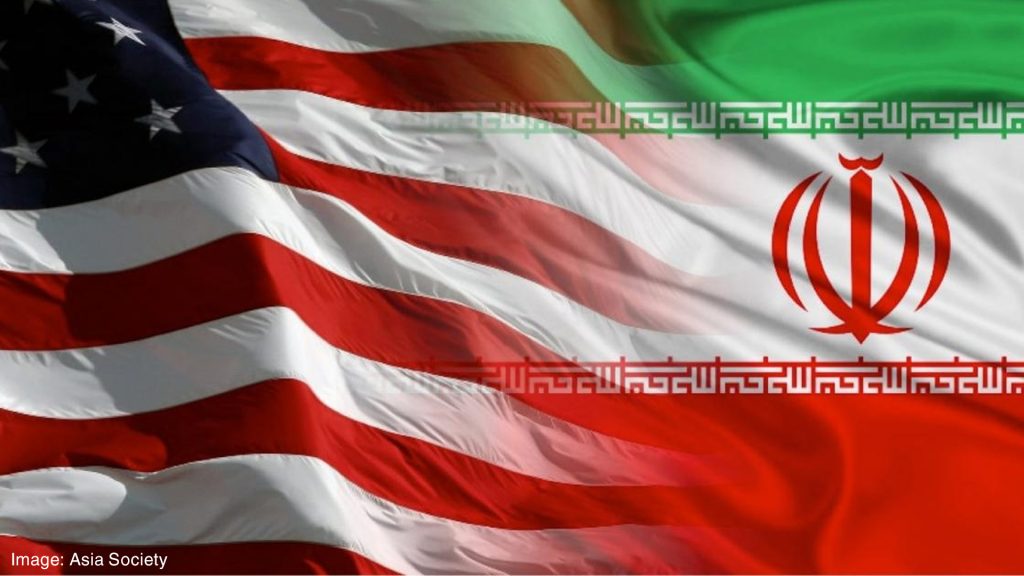
Multiple regional actors are reportedly engaged in indirect communication channels aimed at stabilizing the situation. These backchannels involve exchanges between Washington and Tehran through intermediaries, with the goal of keeping negotiations alive despite political tensions.

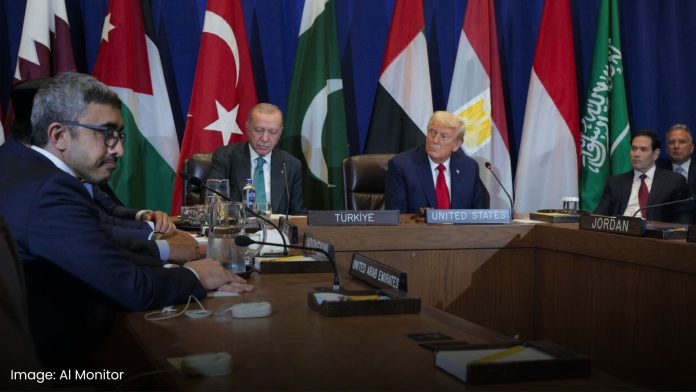
Countries such as Qatar, Saudi Arabia, and the United Arab Emirates have been actively encouraging restraint, emphasizing the importance of avoiding immediate military escalation in the region.

Military Options Temporarily Paused

Reports indicate that targeted strike options were discussed within US planning circles under a proposed operation framework. However, these plans were later paused following diplomatic pressure from regional allies.

This shift reflects the ongoing balance between military preparedness and diplomatic opportunity, as decision makers reassess the risks of escalation.
Pakistan’s Role in Communication Channels

Pakistan has been referenced in reports as part of broader communication efforts between regional stakeholders. These channels are aimed at maintaining indirect dialogue and reducing the risk of misunderstanding between involved parties.

Although the core disagreements between Iran and Western powers remain unresolved, communication has not been fully interrupted.

Nuclear and Security Tensions Remain

Key issues, including Iran’s nuclear program and financial sanctions, continue to block progress in formal negotiations. However, ongoing mediation suggests that diplomatic pathways remain open, even if fragile.
Conclusion: A Race to Prevent Escalation

The situation reflects a broader global effort to manage crisis escalation through diplomacy rather than force. While political leaders may differ publicly on strategy, the simultaneous activity of regional mediators suggests that preventing conflict remains a shared priority.

Whether these efforts succeed will depend on how long diplomatic channels can stay open under rising pressure.

Sources: CNN
Diplomatic Efforts Intensify Amid Rising Iran Tensions

Maryam Tariq

While public reporting highlights disagreements between US President Donald Trump and Israeli Prime Minister Benjamin Netanyahu over Iran strategy, a parallel diplomatic effort is unfolding behind the scenes to prevent escalation.

Backchannel Diplomacy on Iran Crisis

Multiple regional actors are reportedly engaged in indirect communication channels aimed at stabilizing the situation. These backchannels involve exchanges between Washington and Tehran through intermediaries, with the goal of keeping negotiations alive despite political tensions.

Countries such as Qatar, Saudi Arabia, and the United Arab Emirates have been actively encouraging restraint, emphasizing the importance of avoiding immediate military escalation in the region.

Military Options Temporarily Paused

Reports indicate that targeted strike options were discussed within US planning circles under a proposed operation framework. However, these plans were later paused following diplomatic pressure from regional allies.

This shift reflects the ongoing balance between military preparedness and diplomatic opportunity, as decision makers reassess the risks of escalation.

Pakistan’s Role in Communication Channels

Pakistan has been referenced in reports as part of broader communication efforts between regional stakeholders. These channels are aimed at maintaining indirect dialogue and reducing the risk of misunderstanding between involved parties.

Although the core disagreements between Iran and Western powers remain unresolved, communication has not been fully interrupted.

Nuclear and Security Tensions Remain

Key issues, including Iran’s nuclear program and financial sanctions, continue to block progress in formal negotiations. However, ongoing mediation suggests that diplomatic pathways remain open, even if fragile.

Conclusion: A Race to Prevent Escalation

The situation reflects a broader global effort to manage crisis escalation through diplomacy rather than force. While political leaders may differ publicly on strategy, the simultaneous activity of regional mediators suggests that preventing conflict remains a shared priority.

Whether these efforts succeed will depend on how long diplomatic channels can stay open under rising pressure.

Sources: CNN
spot_img

Explore more

spot_img
Global Affairs

Israel Paid $46.5 Million to Shape What AI Chatbots Say About...

US Walks Out on France at the UN, and It’s Part...

Shopkeeper’s Death Raises Questions Over Belgium’s Response to Hate Crimes

Magnitude 7.1 Earthquake Hits Japan, Mall Explosion Traps Dozens

Foreign Countries Are Fueling Myanmar’s War for Their Own Benefit

What Are the US and Iran Actually Negotiating Through Oman

UN Official Calls West Bank Attacks “Pogroms,” Wants Weapons Ban on...

UN Rights Chief Wins Second Term, But the US, Israel and...