
“ZOMBIES” ON THE STREETS? The Vape Crisis Sending Teens Into Psychosis

A Hidden Drug in Vapes Is Putting British Teenagers Into Psychosis and Comas

Isla Montclair

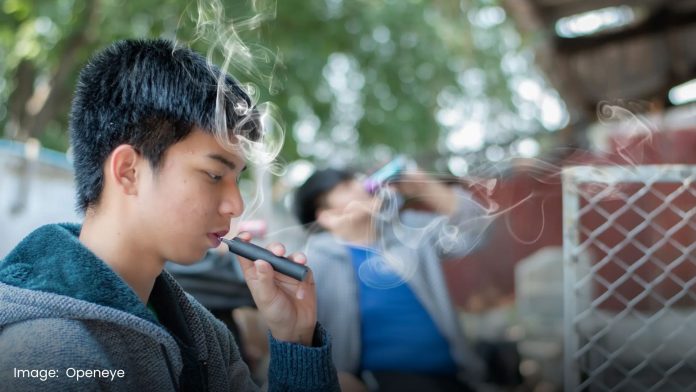
NHS doctors are sounding the alarm over a sharp rise in teenage psychosis cases linked to vapes secretly laced with spice, a synthetic drug far more dangerous and unpredictable than the cannabis it is sold to imitate. Here is what is happening and what parents and schools need to know.

The Warning From an NHS Psychiatrist

Dr Hilary Reed, an NHS psychiatrist working in the north of England, has spent her career treating young patients with mental illness. Until recently, psychosis in teenagers was something she encountered rarely, treating one or two cases a year. In the last two years that number rose to 10.

“It does appear that there’s an association between vapes containing spice and psychotic illness,” Dr Reed told Good Morning Britain. She was careful to note that a direct causal link has not yet been proven through research, but said the pattern is alarming enough to demand urgent attention. “We can’t definitely say this is causative but the evidence does suggest these vapes are a huge issue that definitely needs more research because my concern here is are we seeing the beginning of what could be a nationwide increase in psychosis among young people.”

That warning, from a doctor working directly with affected teenagers, is the centre of a growing public health concern across the UK.

What Spice Actually Is and Why It Is So Dangerous

Spice is a synthetic drug engineered to mimic the effects of cannabis. It does not contain natural cannabis compounds. Instead it is made from unregulated chemical compounds, often manufactured with no quality control or consistency between batches. That unpredictability is what makes it so dangerous. Two vapes claiming to contain the same product can have wildly different strength and effects, and users have no way of knowing what dose they are actually inhaling.

The drug earned the nickname zombie drug because of the extreme reactions it causes in users, including catatonic states, severe confusion, hallucinations, and in some cases, complete unresponsiveness. Unlike regulated cannabis products, spice is also highly addictive, with users developing dependence quickly and experiencing severe symptoms during withdrawal.

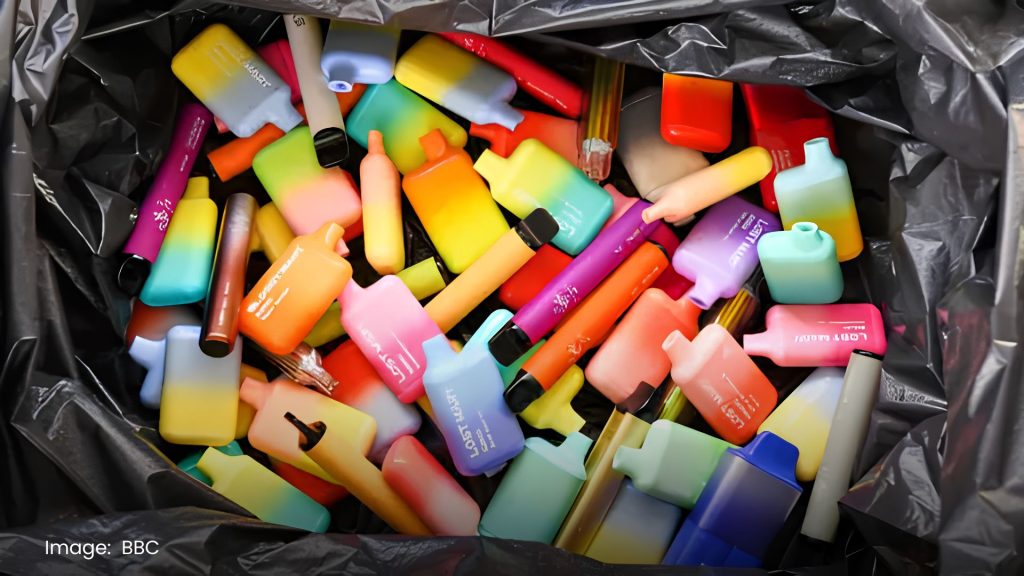
What makes the current vape crisis particularly alarming is that teenagers using these products often have no idea what they are actually consuming. Drug dealers are lacing spice into vapes marketed and sold as containing THC or nicotine, in many cases choosing spice specifically because it is cheaper to produce than real cannabis. The vapes are sold to minors through social media platforms, often disguised in colourful, appealing packaging that gives no indication of the synthetic chemicals inside.

The Scale of the Problem in UK Schools

Research conducted by the University of Bath found that up to one in four vapes confiscated from schools now contain spice. That figure represents a significant shift in the UK’s youth drug landscape, where vaping has overtaken traditional cigarette use among teenagers almost entirely.

At Wales High School in Rotherham, headteacher Lisa McCall described how rapidly the issue has escalated. “In the last couple of years we’ve seen vaping take off so much, cigarettes are no longer an issue and we had to keep up,” she said. The school has installed vape detection sensors in a number of toilets in an effort to identify and intervene before students are harmed.

McCall described a deeply troubling pattern among students. “We have had cases with students giving each other vapes where they don’t know what is in them but we suspect it has been spice,” she said. In one case, a student required hospital treatment after using a shared vape. The school has taken the rare step of permanently excluding a number of pupils, a measure McCall said is not typically used but was necessary given the seriousness of the situation.

One of the most severe cases reported involved a 12 year old boy who was left in a coma after using a vape later found to be laced with spice, a case that has drawn significant national attention to how easily these products reach children.

What the Government Is Doing

A UK government spokesperson confirmed that vapes laced with illegal substances like spice carry serious criminal penalties. “These vapes are illegal. Selling them can get you up to 14 years in prison,” the spokesperson said. The government stated it continues to work with enforcement agencies including Trading Standards to crack down on illegal and underage sale of tobacco and vapes, backed by 30 million pounds in dedicated funding.

On the mental health side, the government pointed to a record 16.1 billion pound investment in NHS mental health services, stating this is intended to ensure every young person gets the support they need. The spokesperson added that support is being expanded in schools and colleges, with a focus on earlier intervention and better access to care.
Why This Matters Right Now

The combination of a popular, socially normalised product like vaping with a hidden and highly dangerous synthetic drug creates a uniquely difficult problem to detect. Unlike traditional drug use, where the substance and its risks are at least somewhat known to the user, spice laced vapes deceive teenagers into consuming a drug they never intended to take, with effects that can include lasting psychiatric harm.

Dr Reed’s warning is not a definitive scientific conclusion, and she has been clear about that distinction. But it is a frontline clinical observation from someone treating the young people directly affected, and it points to a public health pattern that researchers, schools and parents are now racing to understand before it grows further.

If this raises concerns for you or someone you know, speaking with a GP, school safeguarding lead, or a service such as FRANK, the UK’s national drug advice line, is a sensible first step.
Sources:

·  Increase in teenage psychosis cases linked to vapes laced with zombie drug spice, ITV News: https://www.itv.com/news/2026-06-22/increase-in-teenage-psychosis-cases-linked-to-vapes-laced-with-zombie-drug-spice

·  Vapes laced with spice that put boy 12 in coma sold to kids on social media, ITV News: https://www.itv.com/news/2026-06-04/vapes-laced-with-spice-that-put-boy-12-in-coma-sold-to-kids-on-social-media

·  University of Bath research on spice contaminated vapes in schools, University of Bath: https://www.bath.ac.uk/research

A Hidden Drug in Vapes Is Putting British Teenagers Into Psychosis and Comas

Isla Montclair

NHS doctors are sounding the alarm over a sharp rise in teenage psychosis cases linked to vapes secretly laced with spice, a synthetic drug far more dangerous and unpredictable than the cannabis it is sold to imitate. Here is what is happening and what parents and schools need to know.

The Warning From an NHS Psychiatrist

Dr Hilary Reed, an NHS psychiatrist working in the north of England, has spent her career treating young patients with mental illness. Until recently, psychosis in teenagers was something she encountered rarely, treating one or two cases a year. In the last two years that number rose to 10.

“It does appear that there’s an association between vapes containing spice and psychotic illness,” Dr Reed told Good Morning Britain. She was careful to note that a direct causal link has not yet been proven through research, but said the pattern is alarming enough to demand urgent attention. “We can’t definitely say this is causative but the evidence does suggest these vapes are a huge issue that definitely needs more research because my concern here is are we seeing the beginning of what could be a nationwide increase in psychosis among young people.”

That warning, from a doctor working directly with affected teenagers, is the centre of a growing public health concern across the UK.

What Spice Actually Is and Why It Is So Dangerous

Spice is a synthetic drug engineered to mimic the effects of cannabis. It does not contain natural cannabis compounds. Instead it is made from unregulated chemical compounds, often manufactured with no quality control or consistency between batches. That unpredictability is what makes it so dangerous. Two vapes claiming to contain the same product can have wildly different strength and effects, and users have no way of knowing what dose they are actually inhaling.

The drug earned the nickname zombie drug because of the extreme reactions it causes in users, including catatonic states, severe confusion, hallucinations, and in some cases, complete unresponsiveness. Unlike regulated cannabis products, spice is also highly addictive, with users developing dependence quickly and experiencing severe symptoms during withdrawal.

What makes the current vape crisis particularly alarming is that teenagers using these products often have no idea what they are actually consuming. Drug dealers are lacing spice into vapes marketed and sold as containing THC or nicotine, in many cases choosing spice specifically because it is cheaper to produce than real cannabis. The vapes are sold to minors through social media platforms, often disguised in colourful, appealing packaging that gives no indication of the synthetic chemicals inside.

The Scale of the Problem in UK Schools

Research conducted by the University of Bath found that up to one in four vapes confiscated from schools now contain spice. That figure represents a significant shift in the UK’s youth drug landscape, where vaping has overtaken traditional cigarette use among teenagers almost entirely.

At Wales High School in Rotherham, headteacher Lisa McCall described how rapidly the issue has escalated. “In the last couple of years we’ve seen vaping take off so much, cigarettes are no longer an issue and we had to keep up,” she said. The school has installed vape detection sensors in a number of toilets in an effort to identify and intervene before students are harmed.

McCall described a deeply troubling pattern among students. “We have had cases with students giving each other vapes where they don’t know what is in them but we suspect it has been spice,” she said. In one case, a student required hospital treatment after using a shared vape. The school has taken the rare step of permanently excluding a number of pupils, a measure McCall said is not typically used but was necessary given the seriousness of the situation.

One of the most severe cases reported involved a 12 year old boy who was left in a coma after using a vape later found to be laced with spice, a case that has drawn significant national attention to how easily these products reach children.

What the Government Is Doing

A UK government spokesperson confirmed that vapes laced with illegal substances like spice carry serious criminal penalties. “These vapes are illegal. Selling them can get you up to 14 years in prison,” the spokesperson said. The government stated it continues to work with enforcement agencies including Trading Standards to crack down on illegal and underage sale of tobacco and vapes, backed by 30 million pounds in dedicated funding.

On the mental health side, the government pointed to a record 16.1 billion pound investment in NHS mental health services, stating this is intended to ensure every young person gets the support they need. The spokesperson added that support is being expanded in schools and colleges, with a focus on earlier intervention and better access to care.

Why This Matters Right Now

The combination of a popular, socially normalised product like vaping with a hidden and highly dangerous synthetic drug creates a uniquely difficult problem to detect. Unlike traditional drug use, where the substance and its risks are at least somewhat known to the user, spice laced vapes deceive teenagers into consuming a drug they never intended to take, with effects that can include lasting psychiatric harm.

Dr Reed’s warning is not a definitive scientific conclusion, and she has been clear about that distinction. But it is a frontline clinical observation from someone treating the young people directly affected, and it points to a public health pattern that researchers, schools and parents are now racing to understand before it grows further.

If this raises concerns for you or someone you know, speaking with a GP, school safeguarding lead, or a service such as FRANK, the UK’s national drug advice line, is a sensible first step.

Sources:

·  Increase in teenage psychosis cases linked to vapes laced with zombie drug spice, ITV News: https://www.itv.com/news/2026-06-22/increase-in-teenage-psychosis-cases-linked-to-vapes-laced-with-zombie-drug-spice

·  Vapes laced with spice that put boy 12 in coma sold to kids on social media, ITV News: https://www.itv.com/news/2026-06-04/vapes-laced-with-spice-that-put-boy-12-in-coma-sold-to-kids-on-social-media

·  University of Bath research on spice contaminated vapes in schools, University of Bath: https://www.bath.ac.uk/research

spot_img

Explore more

spot_img
Global Affairs

US Senators Push Bill to Punish India and China for Buying...

Behind the Cockroach Protests: A Broken Exam System That’s Cost Students...

The 2026 World Cup’s Real Price Tag: Billions Lost Before a...

Two US Service Members Killed in Jordan as Iran Suspends Its Ceasefire...

Mamdani Says He’s Exploring How to Arrest Netanyahu During His September...

Rubio Calls the Left a “Unique Evil” at Global Terrorism Summit,...

Trump Demands ABC, NBC Lose Licenses After Networks Skip Live Airing...